

Troubleshooting a leaking hollow hydraulic torque wrench is a critical skill for any professional in the field of industrial machinery. As a supplier of high - quality Hollow Hydraulic Torque Wrenches, I understand the importance of maintaining these tools in optimal condition. In this blog, I will guide you through the process of troubleshooting if your hollow hydraulic torque wrench leaks hydraulic fluid.
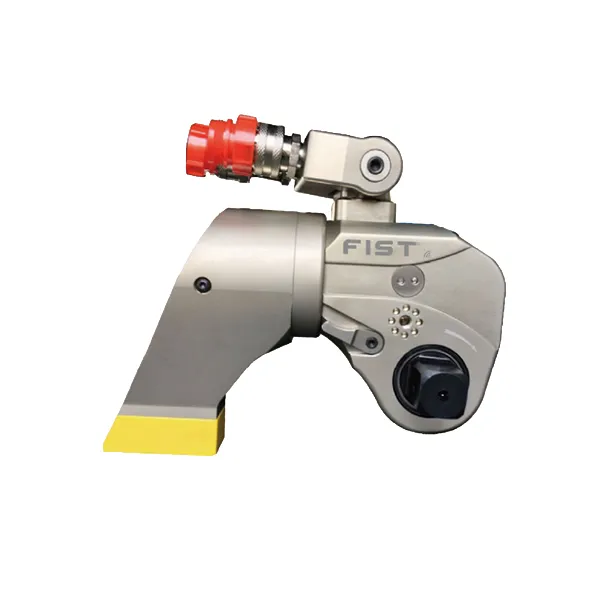
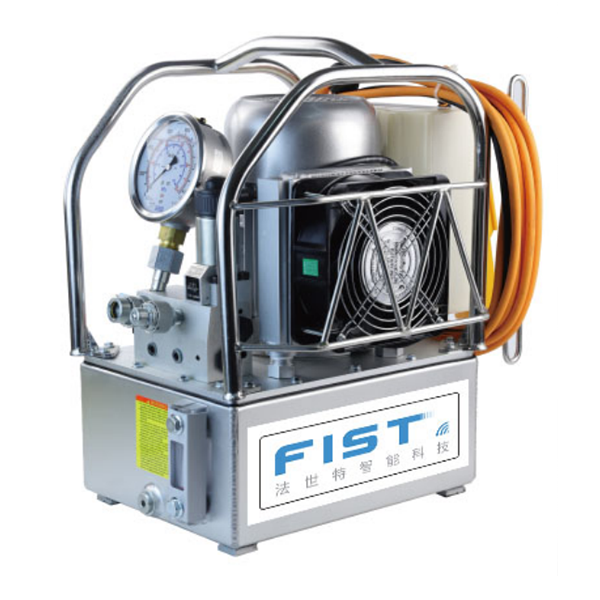
Understanding the Basics of a Hollow Hydraulic Torque Wrench
Before we dive into troubleshooting, let's briefly understand how a hollow hydraulic torque wrench works. A hollow hydraulic torque wrench uses hydraulic pressure to generate high torque for tightening or loosening bolts. It consists of a hydraulic cylinder, a piston, a drive mechanism, and a control valve. The hydraulic fluid is the medium that transfers the force from the pump to the wrench head.
Common Causes of Hydraulic Fluid Leakage
- Seal Damage: One of the most common causes of hydraulic fluid leakage is damaged seals. Seals are used to prevent the hydraulic fluid from leaking out of the wrench. Over time, seals can wear out due to friction, high pressure, or exposure to harsh chemicals. For example, if the O - rings in the hydraulic cylinder are damaged, the fluid can leak past them.
- Cracked Components: Cracks in the wrench body, hydraulic lines, or fittings can also lead to fluid leakage. These cracks can be caused by excessive stress, impact, or corrosion. For instance, if the wrench is dropped or subjected to a high - impact force, it may develop cracks.
- Loose Fittings: Loose fittings can allow hydraulic fluid to escape. Fittings such as hose connections and valve connections need to be properly tightened. If they are not, the fluid can seep out at the connection points.
- Excessive Pressure: Operating the wrench at pressures higher than its rated capacity can cause seals to fail and fluid to leak. This can happen if the hydraulic pump is set to an incorrect pressure or if there is a blockage in the hydraulic system.
Troubleshooting Steps
Step 1: Visual Inspection
The first step in troubleshooting a leaking hollow hydraulic torque wrench is to conduct a visual inspection. Look for any signs of fluid leakage, such as wet spots, drips, or puddles around the wrench. Check the seals, fittings, and hydraulic lines for any visible damage. Pay special attention to areas where the seals are located, such as the piston rod and the cylinder head.
Step 2: Check the Seals
If you suspect that the seals are the cause of the leakage, carefully remove the affected seals and inspect them for damage. Look for signs of wear, cuts, or tears. If the seals are damaged, they need to be replaced. When replacing the seals, make sure to use high - quality seals that are compatible with your wrench. You can find a wide range of seals for your Driven Hydraulic Torque Wrench on our website.
Step 3: Inspect the Components for Cracks
Inspect the wrench body, hydraulic lines, and fittings for cracks. Use a magnifying glass if necessary to detect small cracks. If you find a crack, the damaged component needs to be replaced. Cracks can compromise the integrity of the wrench and lead to further leakage or even failure.
Step 4: Tighten the Fittings
Check all the fittings on the wrench, including hose connections and valve connections. Use a wrench to tighten any loose fittings. Make sure not to over - tighten the fittings, as this can also cause damage. If the fittings are damaged or worn, they should be replaced.
Step 5: Check the Hydraulic Pressure
Use a pressure gauge to check the hydraulic pressure of the system. Make sure the pressure is within the rated capacity of the wrench. If the pressure is too high, adjust the hydraulic pump accordingly. You can find a reliable Electric Driven Hydraulic Pump on our website to ensure proper pressure control.
Preventive Maintenance
To avoid hydraulic fluid leakage in the future, it is important to perform regular preventive maintenance on your hollow hydraulic torque wrench.
- Clean the Wrench Regularly: Dirt and debris can accumulate on the wrench, which can cause damage to the seals and other components. Clean the wrench with a mild detergent and water, and dry it thoroughly.
- Lubricate the Seals: Lubricating the seals can help reduce friction and extend their lifespan. Use a lubricant that is compatible with the hydraulic fluid and the seals.
- Inspect the Wrench Periodically: Conduct regular inspections of the wrench to detect any potential problems early. Check the seals, fittings, and hydraulic lines for signs of wear or damage.
- Store the Wrench Properly: When not in use, store the wrench in a clean, dry place. Protect it from extreme temperatures and humidity, which can damage the seals and other components.
Conclusion
Troubleshooting a leaking hollow hydraulic torque wrench requires a systematic approach. By following the steps outlined in this blog, you can identify and fix the problem quickly and effectively. Remember, regular preventive maintenance is key to keeping your wrench in good working condition.
If you are in the market for a high - quality hollow hydraulic torque wrench, sleeves, or other related parts, we are here to help. We offer a wide range of products, including Sleeve and Reducing Sleeve, to meet your industrial needs. Contact us to discuss your requirements and start a procurement negotiation.
References
- Industrial Machinery Handbook
- Hydraulic System Maintenance Guide