

Selecting the appropriate pump for a hydraulic stud tensioner is a crucial decision that can significantly impact the efficiency and effectiveness of your industrial operations. As a Stud Tensioner supplier, I've seen firsthand how the right pump can make all the difference. In this blog, I'll share some insights on how to choose the perfect pump for your hydraulic stud tensioner.
Understanding the Basics
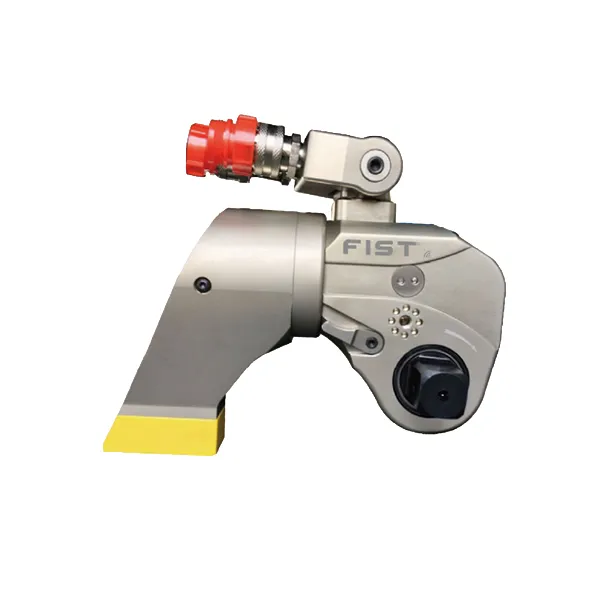
Before we dive into the selection process, it's important to understand the basic components and functions of a hydraulic stud tensioner system. A hydraulic stud tensioner uses hydraulic pressure to stretch a stud, allowing for precise and controlled tightening. The pump is the heart of this system, providing the necessary hydraulic power.

Factors to Consider
1. Pressure Requirements
The first thing you need to consider is the pressure requirements of your stud tensioner. Different stud sizes and applications require different levels of pressure. You need to ensure that the pump can deliver the required pressure consistently. For example, if you're working with large studs in a high - stress environment, you'll need a pump that can generate high pressure.
2. Flow Rate
The flow rate of the pump is also important. A higher flow rate means that the stud tensioner can be filled with hydraulic fluid more quickly, reducing the overall tightening time. However, you need to balance the flow rate with the pressure requirements. A pump with too high a flow rate may not be able to maintain the required pressure.
3. Power Source
Pumps can be powered by different sources, such as electricity, air, or diesel. Electric - driven pumps are popular because they are clean, quiet, and easy to operate. They are suitable for indoor applications where noise and emissions are a concern. On the other hand, air - powered pumps are often used in environments where electricity is not available or where there is a risk of explosion. Diesel - powered pumps are more powerful and are commonly used in large - scale industrial applications. You can check out our Electric Driven Hydraulic Pump for a reliable electric - powered option.
4. Compatibility
The pump you choose must be compatible with your stud tensioner. This includes factors such as the connection type, the fluid type, and the overall system design. You need to make sure that the pump can be easily integrated with your existing stud tensioner without any major modifications.
5. Durability and Reliability
In an industrial setting, durability and reliability are key. You don't want a pump that breaks down frequently, as this can cause costly downtime. Look for pumps made from high - quality materials and with a proven track record of reliability. A well - built pump will not only last longer but also require less maintenance.
6. Cost
Cost is always a factor in any purchasing decision. However, it's important not to sacrifice quality for a lower price. A cheaper pump may end up costing you more in the long run due to frequent repairs and replacements. Consider the total cost of ownership, including the initial purchase price, maintenance costs, and energy consumption.
Types of Pumps for Hydraulic Stud Tensioners
1. Gear Pumps
Gear pumps are a common type of pump used in hydraulic stud tensioner systems. They are relatively simple in design and are known for their reliability. Gear pumps work by using two gears that mesh together to move the hydraulic fluid. They are suitable for applications where a moderate pressure and flow rate are required.
2. Piston Pumps
Piston pumps are more powerful and can generate higher pressures compared to gear pumps. They are often used in applications where high - pressure and high - flow rates are needed. Piston pumps work by using pistons to create a pumping action. They are more complex in design and are generally more expensive than gear pumps.
3. Vane Pumps
Vane pumps are another option for hydraulic stud tensioner systems. They are known for their smooth operation and relatively low noise levels. Vane pumps work by using vanes that slide in and out of a rotor to move the hydraulic fluid. They are suitable for applications where a moderate pressure and flow rate are required, and where noise is a concern.
Additional Considerations
1. Accessories
In addition to the pump itself, you may also need to consider accessories such as hoses, fittings, and gauges. These accessories are essential for the proper operation of the hydraulic stud tensioner system. Make sure that the accessories are compatible with the pump and the stud tensioner. You can check out our Sleeve and Reducing Sleeve for some useful accessories.
2. Training and Support
When you purchase a pump for your hydraulic stud tensioner, it's important to have access to proper training and support. The manufacturer should provide detailed instructions on how to operate and maintain the pump. They should also offer technical support in case you encounter any problems.
3. Future Expansion
If you plan to expand your operations in the future, you may want to choose a pump that can be easily upgraded or expanded. This will save you money and time in the long run.
Conclusion
Selecting the appropriate pump for a hydraulic stud tensioner is not a decision to be taken lightly. By considering factors such as pressure requirements, flow rate, power source, compatibility, durability, and cost, you can make an informed decision. Remember to also consider accessories, training, and future expansion.
If you're in the market for a hydraulic stud tensioner pump, we're here to help. As a Stud Tensioner supplier, we have a wide range of pumps and accessories to meet your needs. We also offer training and support to ensure that you get the most out of your investment. If you're interested in learning more about our products or have any questions, feel free to reach out to us for a purchase negotiation.
References
- Hydraulic Systems Handbook, various industry experts
- Manufacturer's manuals for hydraulic pumps and stud tensioners