

As a supplier of hydraulic oil pipes, I understand the critical role these components play in various industrial applications. Hydraulic oil pipes are essential for transmitting hydraulic fluid under high pressure, ensuring the smooth operation of machinery and equipment. However, they are often exposed to external factors that can cause damage, leading to costly repairs, downtime, and safety risks. In this blog post, I will share some practical tips on how to protect hydraulic oil pipes from external damage.
Understanding the Risks of External Damage
Before we delve into the protective measures, it's important to understand the common causes of external damage to hydraulic oil pipes. These include:
- Mechanical Impact: Hydraulic oil pipes can be damaged by accidental collisions with heavy equipment, tools, or other objects. This can cause dents, cracks, or even punctures in the pipes, leading to fluid leaks and system failure.
- Abrasion: Constant rubbing against rough surfaces, such as sharp edges or moving parts, can wear down the outer layer of the pipes, exposing the inner layers to corrosion and damage.
- Corrosion: Exposure to moisture, chemicals, or harsh environmental conditions can cause corrosion of the pipes, weakening their structure and reducing their lifespan.
- Temperature Extremes: Extreme heat or cold can cause the pipes to expand or contract, leading to stress and potential damage.
Protective Measures
To protect hydraulic oil pipes from external damage, it's essential to implement a comprehensive maintenance and protection plan. Here are some practical tips:
1. Proper Installation
- Use Quality Materials: Ensure that you use high-quality hydraulic oil pipes and fittings that are suitable for the specific application. Choose pipes that are made of durable materials, such as stainless steel or high-strength polymers, and that have the appropriate pressure rating.
- Follow Installation Guidelines: Follow the manufacturer's installation guidelines carefully to ensure that the pipes are installed correctly. This includes proper alignment, support, and clamping to prevent movement and vibration.
- Avoid Sharp Bends: Minimize sharp bends in the pipes to reduce stress and prevent damage. Use gentle curves and bends instead, and ensure that the radius of the bends is at least five times the diameter of the pipe.
2. Protective Covers
- Install Protective Sleeves: Consider installing protective sleeves or guards around the hydraulic oil pipes to prevent mechanical impact and abrasion. These sleeves can be made of materials such as rubber, plastic, or metal, and can provide an extra layer of protection against damage.
- Use Heat Shields: If the pipes are exposed to high temperatures, use heat shields to protect them from heat damage. Heat shields can be made of materials such as ceramic, fiberglass, or metal, and can help to reduce the temperature of the pipes and prevent thermal expansion.
3. Regular Inspection
- Perform Visual Inspections: Regularly inspect the hydraulic oil pipes for signs of damage, such as dents, cracks, leaks, or corrosion. Look for any visible signs of wear or tear, and check the connections and fittings for tightness.
- Conduct Pressure Tests: Periodically conduct pressure tests to ensure that the pipes are functioning properly and can withstand the required pressure. This can help to detect any potential leaks or weaknesses in the pipes before they cause major problems.
- Monitor Fluid Levels: Keep an eye on the fluid levels in the hydraulic system and check for any signs of contamination or degradation. Contaminated fluid can cause damage to the pipes and other components in the system, so it's important to change the fluid regularly and use high-quality filters.
4. Maintenance and Repair
- Clean the Pipes: Regularly clean the hydraulic oil pipes to remove any dirt, debris, or contaminants that may accumulate on the surface. This can help to prevent corrosion and damage to the pipes.
- Repair or Replace Damaged Pipes: If you notice any signs of damage to the hydraulic oil pipes, such as dents, cracks, or leaks, repair or replace them immediately. Ignoring minor damage can lead to more serious problems down the line, so it's important to address any issues as soon as possible.
- Lubricate Moving Parts: Lubricate the moving parts of the hydraulic system, such as valves and cylinders, to reduce friction and wear. This can help to extend the lifespan of the pipes and other components in the system.
Additional Resources
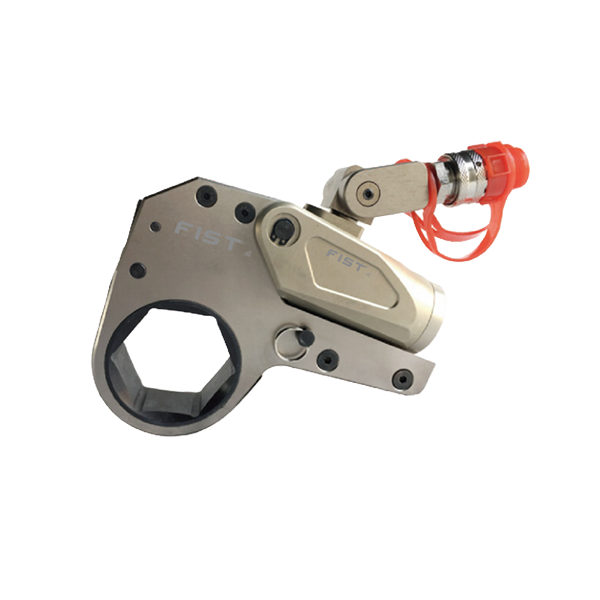
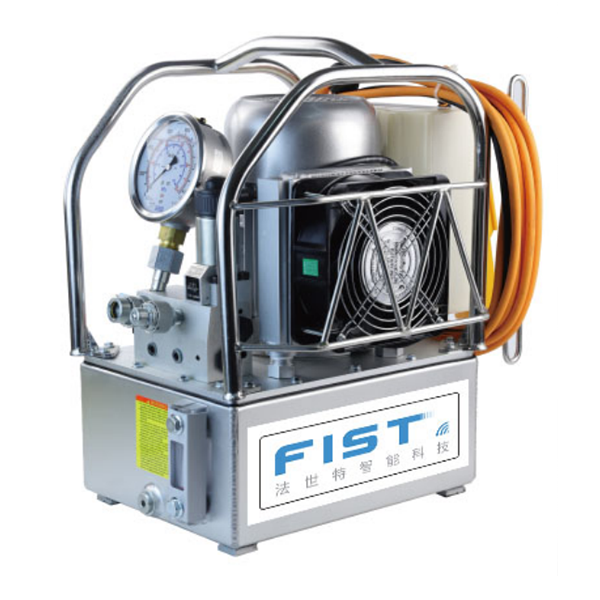
In addition to the protective measures outlined above, there are several tools and equipment that can help to protect hydraulic oil pipes from external damage. For example, Stud Tensioner can be used to ensure proper tightening of bolts and studs, reducing the risk of leaks and damage. Electric Driven Hydraulic Pump can provide a reliable source of hydraulic power, while Hollow Hydraulic Torque Wrench can be used to apply precise torque to bolts and nuts.
Conclusion
Protecting hydraulic oil pipes from external damage is essential for ensuring the reliable operation of hydraulic systems. By implementing the protective measures outlined in this blog post, you can reduce the risk of damage to your hydraulic oil pipes and extend their lifespan. If you have any questions or need further assistance, please don't hesitate to contact us. We are a leading supplier of hydraulic oil pipes and related products, and we are committed to providing our customers with high-quality products and excellent service.
References
- "Hydraulic System Design and Maintenance" by John F. Manring
- "Hydraulic Piping Handbook" by Eaton Corporation
- "Practical Hydraulics and Pneumatics" by David A. Haines