

Hey there! As a supplier of Hydraulic Oil Pipes, I'm super excited to share with you the common materials used for these pipes. Hydraulic systems are all around us, from construction equipment to industrial machinery, and the right hydraulic oil pipes are crucial for their smooth operation.
Steel
One of the most commonly used materials for hydraulic oil pipes is steel. Steel pipes are known for their strength and durability. They can withstand high pressure, which is essential in hydraulic systems where the oil is pumped at significant force. Steel pipes are also resistant to corrosion, especially when they are properly coated. This makes them suitable for use in harsh environments, such as construction sites or industrial plants.
There are different types of steel used for hydraulic oil pipes. Carbon steel is a popular choice because it is relatively inexpensive and has good mechanical properties. Stainless steel, on the other hand, offers better corrosion resistance, making it ideal for applications where the pipes are exposed to moisture or chemicals.
Copper
Copper is another material that is often used for hydraulic oil pipes. Copper pipes are highly malleable, which means they can be easily bent and shaped to fit the specific requirements of a hydraulic system. They also have excellent heat transfer properties, which can be beneficial in some applications.
One of the main advantages of copper pipes is their resistance to corrosion. Copper forms a protective oxide layer on its surface, which helps to prevent rust and other forms of corrosion. This makes copper pipes a reliable choice for long - term use in hydraulic systems.
Rubber
Rubber hydraulic oil pipes are flexible and can absorb vibrations, which is great for reducing noise and wear in a hydraulic system. They are often used in applications where the pipes need to move or flex, such as in mobile equipment like excavators or forklifts.
Rubber pipes are made from different types of rubber compounds, such as nitrile rubber or ethylene propylene diene monomer (EPDM). Nitrile rubber is resistant to oil and fuel, making it suitable for hydraulic applications. EPDM, on the other hand, has good resistance to weathering and ozone, which makes it a good choice for outdoor use.
Plastic
Plastic pipes are becoming increasingly popular in hydraulic systems. They are lightweight, which can reduce the overall weight of the equipment. Plastic pipes are also corrosion - resistant and can be produced at a relatively low cost.
There are several types of plastics used for hydraulic oil pipes, including polyvinyl chloride (PVC), polyethylene (PE), and polyamide (PA). PVC pipes are rigid and have good chemical resistance. PE pipes are flexible and have excellent impact resistance. PA pipes, also known as nylon pipes, are strong and have good abrasion resistance.
Choosing the Right Material
When choosing the material for hydraulic oil pipes, several factors need to be considered. The pressure requirements of the hydraulic system are crucial. High - pressure systems require pipes made from materials that can withstand the force, such as steel. The environment in which the pipes will be used is also important. If the pipes will be exposed to moisture, chemicals, or extreme temperatures, a material with good corrosion and temperature resistance should be chosen.
The flexibility of the pipes is another factor. In applications where the pipes need to move or flex, rubber or plastic pipes may be a better choice. Cost is also a consideration. While steel pipes are generally more expensive than plastic pipes, they offer better strength and durability.

Our Products
As a supplier of Hydraulic Oil Pipes, we offer a wide range of pipes made from different materials to meet the diverse needs of our customers. Whether you need high - pressure steel pipes for an industrial application or flexible rubber pipes for a mobile equipment, we've got you covered.
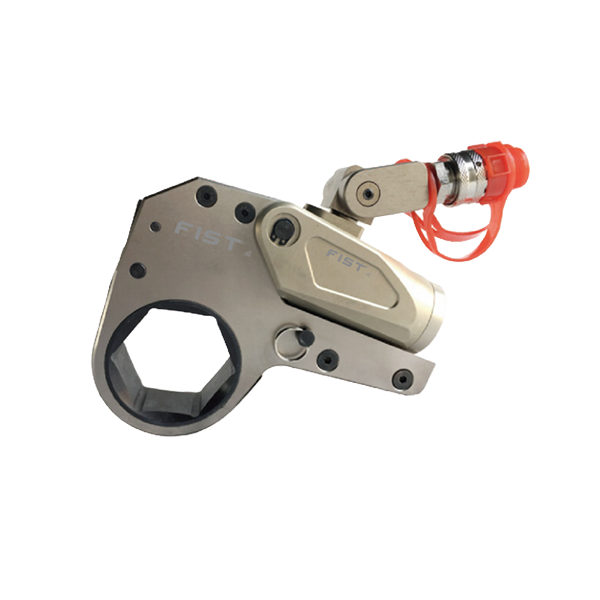
We also provide related products such as Hollow Hydraulic Torque Wrench and Sleeve and Reducing Sleeve. These products are designed to work seamlessly with our hydraulic oil pipes, ensuring the smooth operation of your hydraulic system.
Contact Us for Procurement
If you're in the market for hydraulic oil pipes or related products, we'd love to hear from you. Our team of experts can help you choose the right materials and products for your specific needs. We offer high - quality products at competitive prices, and we're committed to providing excellent customer service.
So, don't hesitate to reach out to us for procurement. Whether you're a small business or a large industrial company, we can provide you with the solutions you need.
References
- "Hydraulic Systems and Equipment" by Peter Dyke
- "Handbook of Hydraulic Power" by William W. Gobeli