

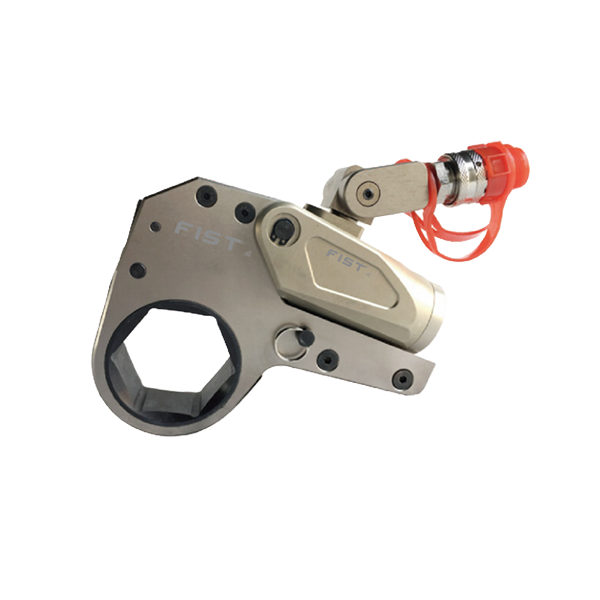
Torque accuracy is a critical factor in the performance of a hollow hydraulic torque wrench. As a supplier of Hollow Hydraulic Torque Wrench, understanding the standards for torque accuracy is essential for ensuring the quality and reliability of our products. In this blog post, we will explore the concept of torque accuracy, the factors that affect it, and the industry standards that govern it.
Understanding Torque Accuracy
Torque accuracy refers to the degree to which a torque wrench can deliver the specified torque value. It is typically expressed as a percentage of the set torque. For example, if a torque wrench has an accuracy of ±3%, and the set torque is 100 Nm, the actual torque applied could range from 97 Nm to 103 Nm.
Accurate torque application is crucial in many industrial applications. In the automotive industry, for instance, improper torque can lead to loose or over-tightened bolts, which can cause mechanical failures and safety hazards. In the construction and manufacturing sectors, accurate torque ensures the structural integrity of buildings and machinery.
Factors Affecting Torque Accuracy
Several factors can influence the torque accuracy of a hollow hydraulic torque wrench.
Wrench Design and Manufacturing Quality
The design and manufacturing quality of the torque wrench play a significant role in its accuracy. A well-designed wrench with high-quality components is more likely to deliver accurate torque. For example, the internal gears, pistons, and seals of the wrench must be precisely machined and assembled to ensure smooth operation and accurate torque transfer.
Hydraulic System
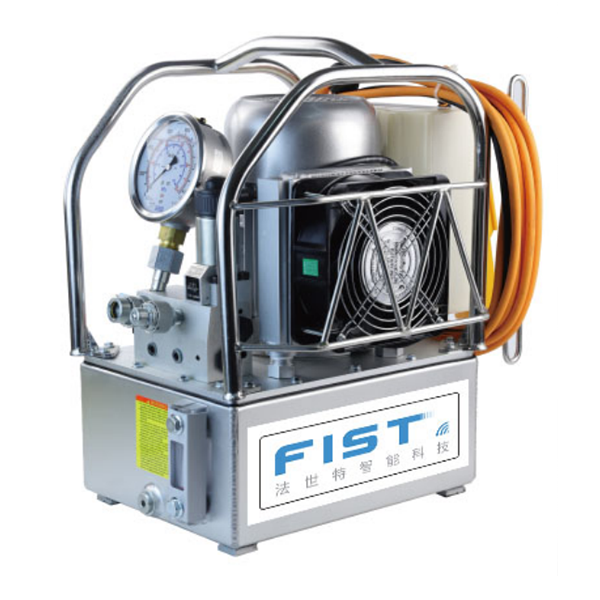
The hydraulic system of the torque wrench, including the Electric Driven Hydraulic Pump and Hydraulic Oil Pipes, can also affect torque accuracy. A stable and reliable hydraulic system is essential for consistent torque delivery. Any leaks or fluctuations in the hydraulic pressure can lead to inaccurate torque application.
Operator Skill
The skill and experience of the operator can have a significant impact on torque accuracy. An operator who is not properly trained may not use the torque wrench correctly, leading to errors in torque application. For example, improper positioning of the wrench or incorrect handling of the hydraulic controls can result in inaccurate torque.
Environmental Conditions
Environmental conditions such as temperature, humidity, and vibration can also affect torque accuracy. Extreme temperatures can cause the hydraulic fluid to expand or contract, which can affect the pressure in the hydraulic system and, consequently, the torque output. Vibration can also cause the wrench to move during operation, leading to inaccurate torque application.
Industry Standards for Torque Accuracy
There are several industry standards that govern the torque accuracy of hydraulic torque wrenches. These standards ensure that the wrenches meet certain quality and performance requirements.
ISO 6789
The International Organization for Standardization (ISO) has developed a standard, ISO 6789, which specifies the requirements and test methods for torque wrenches, including hydraulic torque wrenches. According to ISO 6789, the accuracy of a torque wrench should be within ±4% for wrenches with a maximum torque of up to 1000 Nm and within ±5% for wrenches with a maximum torque greater than 1000 Nm.
ASME B107.14M
The American Society of Mechanical Engineers (ASME) has also developed a standard, ASME B107.14M, which covers the requirements for torque wrenches. This standard specifies the accuracy requirements for different types of torque wrenches, including hydraulic torque wrenches. The accuracy requirements are similar to those of ISO 6789.
Ensuring Torque Accuracy in Our Products
As a supplier of hollow hydraulic torque wrenches, we take several measures to ensure the torque accuracy of our products.
Quality Control
We have a rigorous quality control process in place to ensure that each torque wrench meets the industry standards for torque accuracy. Our wrenches are tested at multiple stages of the manufacturing process to ensure that they deliver accurate torque. We use calibrated torque sensors to measure the torque output of the wrenches and compare it with the set torque.
Training and Support
We provide comprehensive training and support to our customers to ensure that they can use our torque wrenches correctly. Our training programs cover topics such as the proper use of the wrench, maintenance, and calibration. We also offer technical support to our customers to help them troubleshoot any issues they may encounter.
Continuous Improvement
We are committed to continuous improvement in the design and manufacturing of our torque wrenches. We invest in research and development to improve the accuracy and reliability of our products. We also listen to the feedback from our customers and use it to make improvements to our products.
Conclusion
Torque accuracy is a critical factor in the performance of a hollow hydraulic torque wrench. Understanding the factors that affect torque accuracy and the industry standards that govern it is essential for ensuring the quality and reliability of our products. As a supplier of Hollow Hydraulic Torque Wrench, we are committed to providing our customers with high-quality torque wrenches that meet the highest standards of torque accuracy.
If you are in the market for a reliable and accurate hollow hydraulic torque wrench, we invite you to contact us to discuss your specific requirements. Our team of experts will be happy to assist you in selecting the right product for your needs.
References
- ISO 6789:2017, Wrenches - Vocabulary and test methods
- ASME B107.14M - 2012, Torque Tools - Design, Performance, Calibration, and Use