

A hollow hydraulic torque wrench is a powerful and precise tool used in various industrial applications, such as oil and gas, mining, and construction. It is designed to apply a specific amount of torque to a fastener, ensuring that it is tightened to the correct specification. The power source for a hollow hydraulic torque wrench is a critical component that determines its performance and efficiency. In this blog, we will discuss the different types of power sources needed for a hollow hydraulic torque wrench and their advantages and disadvantages.
Hydraulic Power Packs
One of the most common power sources for a hollow hydraulic torque wrench is a hydraulic power pack. A hydraulic power pack consists of a motor, a pump, a reservoir, and a control valve. The motor drives the pump, which pressurizes the hydraulic fluid in the reservoir. The pressurized fluid is then sent through the control valve to the torque wrench, providing the necessary force to tighten the fastener.
Advantages
- High Power Output: Hydraulic power packs can provide a high level of power, making them suitable for heavy-duty applications. They can generate a large amount of torque, allowing the torque wrench to tighten large and stubborn fasteners.
- Precise Control: Hydraulic power packs offer precise control over the torque applied by the wrench. The control valve allows the operator to adjust the pressure and flow rate of the hydraulic fluid, ensuring that the correct amount of torque is applied to the fastener.
- Versatility: Hydraulic power packs can be used with a variety of hollow hydraulic torque wrenches, making them a versatile power source. They can be used in different industries and applications, providing a reliable and efficient solution for tightening fasteners.
Disadvantages
- Cost: Hydraulic power packs can be expensive to purchase and maintain. The cost of the motor, pump, reservoir, and control valve can add up, especially for high-power models.
- Size and Weight: Hydraulic power packs are typically large and heavy, making them difficult to transport and move around. They require a dedicated space for installation and operation, which can be a challenge in some work environments.
- Maintenance: Hydraulic power packs require regular maintenance to ensure their proper functioning. The hydraulic fluid needs to be changed regularly, and the components need to be inspected and serviced to prevent leaks and other issues.
Electric Power Sources
Another option for powering a hollow hydraulic torque wrench is an electric power source. Electric power sources can be either battery-powered or mains-powered. Battery-powered torque wrenches are portable and can be used in remote locations where there is no access to electricity. Mains-powered torque wrenches are more powerful and can be used for continuous operation.
Advantages
- Portability: Battery-powered torque wrenches are lightweight and easy to carry, making them ideal for use in remote locations. They can be used without the need for a power outlet, providing flexibility and convenience.
- Low Noise: Electric power sources are generally quieter than hydraulic power packs, making them suitable for use in noise-sensitive environments.
- Cost-Effective: Electric power sources are often more cost-effective than hydraulic power packs, especially for smaller applications. They require less maintenance and have a lower initial cost.
Disadvantages
- Limited Power Output: Battery-powered torque wrenches have a limited power output, which may not be sufficient for heavy-duty applications. They may also have a limited battery life, requiring frequent recharging.
- Dependency on Electricity: Mains-powered torque wrenches require a power outlet, which may not be available in all work environments. They are also limited by the length of the power cord, which can restrict their mobility.
- Safety Concerns: Electric power sources can pose a safety risk if not used properly. They require proper grounding and insulation to prevent electrical shocks.
Pneumatic Power Sources
Pneumatic power sources use compressed air to power the hollow hydraulic torque wrench. Pneumatic torque wrenches are commonly used in industries where there is a readily available source of compressed air, such as automotive and manufacturing.
Advantages
- High Power-to-Weight Ratio: Pneumatic torque wrenches are lightweight and have a high power-to-weight ratio, making them easy to handle and operate. They can provide a high level of torque with a relatively small amount of air pressure.
- Fast Operation: Pneumatic torque wrenches can operate at high speeds, allowing for quick and efficient tightening of fasteners. They are ideal for applications where speed is critical.
- Low Maintenance: Pneumatic power sources require less maintenance than hydraulic power packs. They do not require hydraulic fluid, which eliminates the need for fluid changes and leak prevention.
Disadvantages
- Limited Torque Range: Pneumatic torque wrenches have a limited torque range, which may not be suitable for all applications. They are typically used for smaller fasteners and lighter-duty applications.
- Dependency on Compressed Air: Pneumatic torque wrenches require a source of compressed air, which may not be available in all work environments. They also require a compressor to generate the necessary air pressure, which can be expensive and bulky.
- Noise and Vibration: Pneumatic torque wrenches can produce a significant amount of noise and vibration, which can be a concern for operators. They may require the use of hearing protection and anti-vibration gloves.
Conclusion
The choice of power source for a hollow hydraulic torque wrench depends on several factors, including the application, the required torque, the work environment, and the budget. Hydraulic power packs are suitable for heavy-duty applications that require a high level of torque and precise control. Electric power sources are more portable and cost-effective, making them ideal for smaller applications and remote locations. Pneumatic power sources are lightweight and fast, but have a limited torque range and require a source of compressed air.
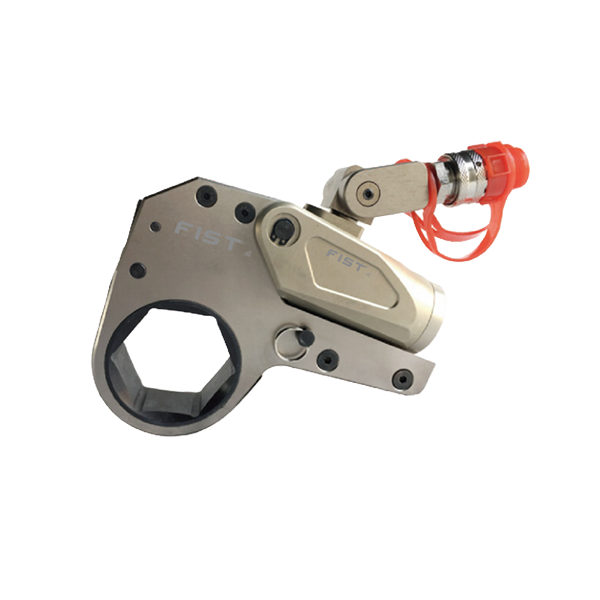
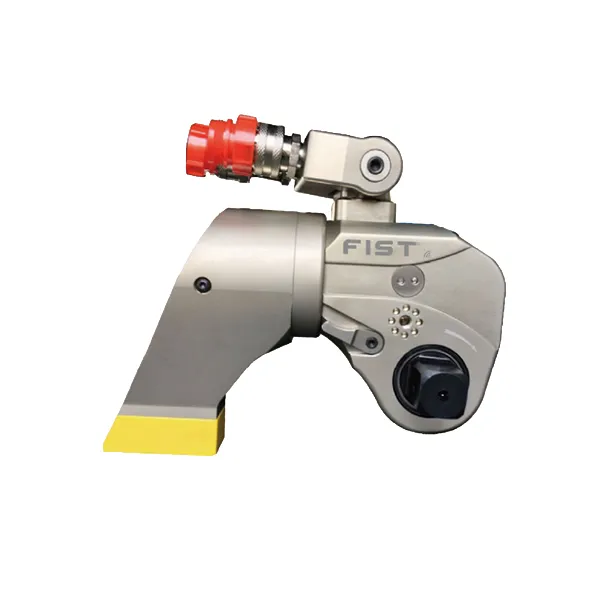
As a [Your Role] at [Your Company], we offer a wide range of Hollow Hydraulic Torque Wrench, along with Sleeve and Reducing Sleeve and Driven Hydraulic Torque Wrench to meet your specific needs. Our products are designed to provide reliable and efficient performance, ensuring that your fasteners are tightened to the correct specification.
If you are interested in learning more about our products or have any questions about the power source for a hollow hydraulic torque wrench, please feel free to contact us. We would be happy to discuss your requirements and provide you with a customized solution.
References
- "Hydraulic Torque Wrenches: A Comprehensive Guide." Industrial Equipment News.
- "Electric Torque Wrenches: Advantages and Disadvantages." Power Tools Magazine.
- "Pneumatic Torque Wrenches: The Ultimate Guide." Manufacturing Today.