

Hey there! As a supplier of Hydraulic Oil Pipes, I've seen firsthand how vibration can impact these crucial components. In this blog, I'll break down the effects of vibration on hydraulic oil pipes and why it's something you need to pay attention to.
How Vibration Affects Hydraulic Oil Pipes
Vibration is a common issue in many industrial settings, and it can have a significant impact on hydraulic oil pipes. When pipes are subjected to vibration, several things can happen.
First off, vibration can cause mechanical stress on the pipes. Over time, this stress can lead to fatigue, which is a major concern. Fatigue can cause cracks to form in the pipes. These cracks might start small, but they can quickly grow and eventually lead to leaks. And let's be real, a leaky hydraulic oil pipe is a headache you don't need. It can lead to a loss of hydraulic fluid, which not only affects the performance of your machinery but can also be a safety hazard.
Another problem is that vibration can loosen the connections between the pipes and other components. Hydraulic systems rely on tight connections to function properly. If these connections become loose due to vibration, it can lead to fluid leakage and a decrease in system efficiency. You might notice a drop in pressure or even a complete failure of the hydraulic system.
Types of Vibration and Their Impact
There are different types of vibration that can affect hydraulic oil pipes. One type is random vibration, which can occur due to various factors such as uneven terrain, machinery operation, or even external forces. Random vibration is unpredictable and can cause a wide range of problems for the pipes.
On the other hand, there's also harmonic vibration. This type of vibration occurs at a specific frequency and can be particularly damaging. If the frequency of the vibration matches the natural frequency of the pipes, it can cause resonance. Resonance can amplify the vibration and lead to even more severe stress on the pipes. This can result in rapid fatigue and failure of the pipes.
Mitigating the Impact of Vibration
So, what can you do to reduce the impact of vibration on your hydraulic oil pipes? Well, one of the first steps is to choose the right pipes. At our company, we offer high - quality Hydraulic Oil Pipes that are designed to withstand vibration. Our pipes are made from durable materials and are engineered to have a high resistance to fatigue.
Another way to mitigate the impact of vibration is to use vibration isolation techniques. This can include using rubber mounts or flexible connectors. These components can absorb some of the vibration and prevent it from being transferred to the pipes. For example, Sleeve and Reducing Sleeve can be used to provide a more flexible connection between pipes and other components, reducing the stress caused by vibration.
Regular maintenance is also crucial. You should inspect your hydraulic oil pipes regularly for signs of damage, such as cracks or loose connections. If you notice any issues, it's important to address them right away to prevent further damage.

The Role of Vibration in Different Applications
Vibration can have different impacts depending on the application of the hydraulic oil pipes. For example, in construction equipment, the pipes are often subjected to a lot of vibration due to the rough terrain and heavy machinery operation. In this case, the pipes need to be extremely durable to withstand the constant shaking.
In the automotive industry, hydraulic oil pipes are used in braking systems and power steering systems. Vibration in these systems can affect the performance of the vehicle. For example, if the pipes in the braking system are damaged due to vibration, it can lead to a loss of braking power, which is a serious safety issue.
In the manufacturing industry, hydraulic systems are used in a variety of machines. Vibration can cause these machines to malfunction, leading to production delays and increased costs. That's why it's important to ensure that the hydraulic oil pipes are properly installed and maintained to minimize the impact of vibration.
Vibration and the Efficiency of Hydraulic Systems
Vibration can also have a significant impact on the efficiency of hydraulic systems. When pipes are damaged due to vibration, the system has to work harder to maintain the required pressure. This can lead to increased energy consumption and a decrease in overall system efficiency.
For example, if there's a leak in the pipes due to vibration - induced cracks, the hydraulic pump has to work harder to compensate for the loss of fluid. This not only uses more energy but can also lead to premature wear and tear on the pump and other components.
Choosing the Right Components for Vibration Resistance
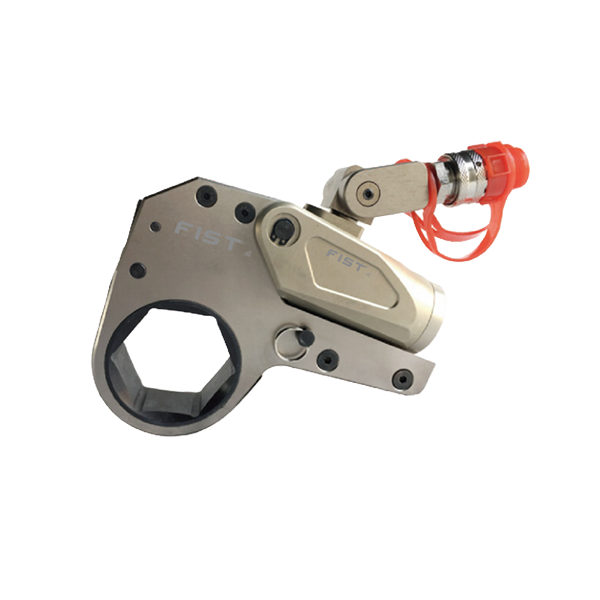
When it comes to choosing components for your hydraulic system, it's important to consider their vibration resistance. For example, Hollow Hydraulic Torque Wrench can be a great addition to your toolkit. These wrenches are designed to provide a high level of torque and can be used to tighten the connections between pipes and other components. This can help prevent loosening due to vibration.
Conclusion
In conclusion, vibration can have a significant impact on hydraulic oil pipes. It can cause mechanical stress, fatigue, and loosening of connections, which can lead to leaks and system failures. However, by choosing the right pipes, using vibration isolation techniques, and performing regular maintenance, you can minimize the impact of vibration on your hydraulic system.
If you're in the market for high - quality hydraulic oil pipes or other related components, don't hesitate to reach out. We're here to help you find the best solutions for your needs. Whether you're dealing with a small - scale project or a large industrial application, we've got you covered. Let's work together to ensure your hydraulic systems are running smoothly and efficiently.
References
- Smith, J. (2020). Hydraulic System Basics. Industrial Press.
- Johnson, A. (2019). Vibration Analysis in Industrial Machinery. McGraw - Hill.