

In the vast world of machinery, gears stand as one of the most fundamental and crucial components. As a seasoned machinery parts supplier, I've witnessed firsthand the indispensable role that gears play in various mechanical systems. In this blog post, I'll delve into the functions of gears in machinery parts, exploring their significance and how they contribute to the smooth operation of different types of machinery.

1. Transmission of Power
One of the primary functions of gears is to transmit power from one part of a machine to another. Gears work by meshing their teeth together, allowing the transfer of rotational force or torque. This is essential in machinery where power needs to be transferred efficiently from a power source, such as an electric motor or an engine, to different components within the machine.
For example, in an automobile, the engine generates power, and gears in the transmission system transfer this power to the wheels. By changing the gear ratio, the vehicle can adapt to different driving conditions, such as accelerating, climbing hills, or cruising at a constant speed. Without gears, it would be impossible to efficiently transfer the engine's power to the wheels, and the vehicle would not be able to operate effectively.
2. Speed and Torque Conversion
Gears also play a crucial role in converting speed and torque. By using gears of different sizes, it is possible to change the rotational speed and torque output of a machine. A gear with a larger diameter will rotate more slowly but with greater torque, while a gear with a smaller diameter will rotate more quickly but with less torque.
This speed and torque conversion is essential in many applications. For instance, in a drill, the motor provides a high-speed, low-torque output. However, when drilling into hard materials, a higher torque is required. By using a gear system, the drill can convert the high-speed, low-torque output of the motor into a lower-speed, high-torque output at the drill bit, allowing it to drill through tough materials more effectively.
3. Directional Change
Another important function of gears is to change the direction of rotation. In many mechanical systems, it is necessary to change the direction of motion to achieve the desired operation. Gears can be used to change the direction of rotation by 90 degrees or even 180 degrees.
For example, in a lathe, the spindle rotates in one direction, but the cutting tool needs to move in a different direction. By using a gear system, the rotational motion of the spindle can be converted into a linear motion of the cutting tool, allowing the lathe to perform various machining operations.
4. Precision and Accuracy
Gears are designed to provide precise and accurate motion control. The teeth of gears are carefully machined to ensure smooth and efficient operation. This precision is crucial in many applications where accurate positioning and movement are required, such as in robotics, aerospace, and medical equipment.
In a robotic arm, for example, gears are used to control the movement of the arm joints. The precise gear ratios and tooth profiles ensure that the arm can move with high accuracy and repeatability, allowing it to perform complex tasks such as picking and placing objects.
5. Load Distribution
Gears also help in distributing the load evenly across the teeth. When a gear is under load, the force is distributed among multiple teeth, reducing the stress on individual teeth and increasing the overall durability of the gear. This load distribution is essential in high-power applications where the gears need to withstand significant forces.
In a heavy-duty industrial machine, such as a large-scale conveyor system, the gears are designed to handle high loads. By distributing the load evenly across the teeth, the gears can operate reliably for extended periods without failure.
Related Machinery Parts
As a machinery parts supplier, we offer a wide range of products that complement the use of gears in machinery. For example, an Electric Driven Hydraulic Pump can be used in conjunction with gears to provide additional power and control in hydraulic systems. The pump can generate the necessary hydraulic pressure to operate various hydraulic components, such as cylinders and motors, which can work in tandem with gears to achieve the desired mechanical movement.
We also provide Sleeve and Reducing Sleeve products. These sleeves can be used to connect different components in a machinery system, including gears. They help in ensuring a proper fit and alignment between parts, which is crucial for the smooth operation of the gears and the overall machinery.
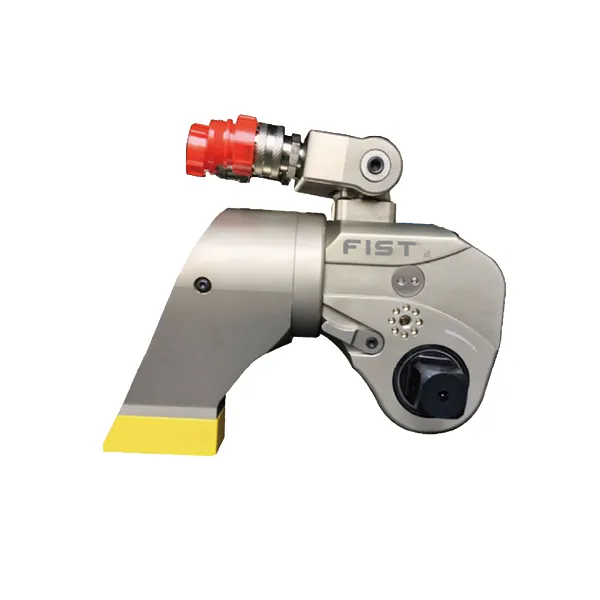
Another important product is the Driven Hydraulic Torque Wrench. This tool is used to tighten or loosen bolts and nuts with a specific torque value. In machinery assembly and maintenance, it is essential to ensure that the bolts and nuts are tightened to the correct torque to prevent loosening and ensure the safety and reliability of the machinery. The use of a hydraulic torque wrench can be complemented by the proper functioning of gears in the machinery.
Conclusion
In conclusion, gears are an essential part of machinery parts, performing a variety of functions that are crucial for the operation of different types of machines. From power transmission and speed conversion to directional change and load distribution, gears play a vital role in ensuring the efficiency, precision, and reliability of mechanical systems.
If you are in need of high-quality machinery parts, including gears and related products, we are here to assist you. Our team of experts can provide you with the right solutions for your specific requirements. Whether you are involved in industrial manufacturing, automotive, or any other industry that relies on machinery, we can offer the parts and support you need. Contact us today to start a discussion about your machinery parts needs and explore how we can help you optimize your machinery's performance.
References
- "Mechanical Engineering Design" by Joseph E. Shigley and Charles R. Mischke
- "Theory of Machines and Mechanisms" by J. E. Shigley, C. R. Mischke, and T. H. Brown
- "Fundamentals of Machine Elements" by Robert C. Juvinall and Kurt M. Marshek