

Leakage in a stud tensioner can be a significant concern for industries relying on these tools for critical applications. As a Stud Tensioner supplier, I have witnessed firsthand the impact that leakage can have on the performance and safety of operations. In this blog, I will explore the various causes of leakage in a stud tensioner and provide insights into how to prevent and address these issues.
Seal Degradation
One of the primary causes of leakage in a stud tensioner is seal degradation. Seals are crucial components that prevent hydraulic fluid from leaking out of the tensioner. Over time, seals can wear out due to factors such as high pressure, temperature fluctuations, and exposure to harsh chemicals. When seals degrade, they lose their ability to maintain a tight seal, resulting in fluid leakage.
To prevent seal degradation, it is essential to use high-quality seals that are designed to withstand the specific operating conditions of the stud tensioner. Regular inspection and replacement of seals are also necessary to ensure optimal performance. Additionally, proper lubrication of the seals can help reduce friction and extend their lifespan.
Improper Assembly
Another common cause of leakage in a stud tensioner is improper assembly. If the tensioner is not assembled correctly, it can lead to misalignment of components, which can cause seals to be damaged or not seated properly. This can result in fluid leakage and reduced performance of the tensioner.
To avoid improper assembly, it is crucial to follow the manufacturer's instructions carefully. This includes ensuring that all components are clean, properly lubricated, and tightened to the recommended torque specifications. Additionally, using the correct tools and techniques during assembly can help prevent damage to the seals and other components.
Overloading
Overloading a stud tensioner can also cause leakage. When a tensioner is subjected to excessive force, it can put stress on the seals and other components, leading to damage and leakage. Overloading can occur due to factors such as incorrect torque settings, using the tensioner beyond its rated capacity, or applying uneven force.
To prevent overloading, it is important to use the stud tensioner within its rated capacity and follow the recommended torque settings. Additionally, using a torque wrench or other torque-measuring device can help ensure that the correct amount of force is applied.
Corrosion
Corrosion can also contribute to leakage in a stud tensioner. When the tensioner is exposed to moisture or corrosive substances, it can cause the metal components to rust and corrode. This can weaken the seals and other components, leading to leakage.
To prevent corrosion, it is important to keep the stud tensioner clean and dry. Additionally, using a corrosion-resistant coating or material can help protect the tensioner from damage. Regular inspection and maintenance of the tensioner can also help identify and address any signs of corrosion before they become a major problem.
Wear and Tear
Normal wear and tear can also cause leakage in a stud tensioner. Over time, the components of the tensioner can wear out due to repeated use, which can lead to gaps and leaks. This can be especially true for components such as pistons, cylinders, and valves.
To minimize wear and tear, it is important to use the stud tensioner properly and follow the recommended maintenance schedule. This includes regular inspection and replacement of worn components. Additionally, using high-quality components and lubricants can help extend the lifespan of the tensioner.
Solutions to Leakage
If you are experiencing leakage in a stud tensioner, there are several steps you can take to address the issue. First, identify the source of the leakage by inspecting the tensioner for signs of damage or wear. This may involve disassembling the tensioner and checking the seals, pistons, cylinders, and other components.
Once the source of the leakage has been identified, you can take the appropriate steps to repair or replace the damaged components. This may involve replacing the seals, pistons, cylinders, or other parts. It is important to use high-quality replacement parts that are designed to fit the specific model of the stud tensioner.
In addition to repairing or replacing the damaged components, it is also important to take steps to prevent future leakage. This may include following the recommended maintenance schedule, using the tensioner within its rated capacity, and keeping the tensioner clean and dry.
Conclusion
Leakage in a stud tensioner can be a serious issue that can affect the performance and safety of operations. By understanding the various causes of leakage and taking the appropriate steps to prevent and address these issues, you can ensure that your stud tensioner operates effectively and efficiently.
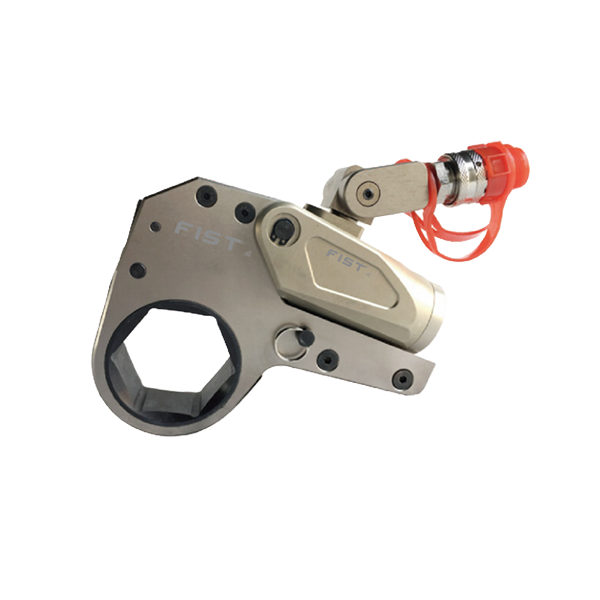
As a Stud Tensioner supplier, we offer a wide range of high-quality stud tensioners and related products, including Sleeve and Reducing Sleeve and Hollow Hydraulic Torque Wrench. Our products are designed to meet the highest standards of quality and performance, and we are committed to providing our customers with the best possible service and support.

If you are interested in learning more about our stud tensioners or other products, or if you have any questions or concerns, please do not hesitate to contact us. We would be happy to discuss your needs and provide you with a customized solution that meets your specific requirements.
References
- "Hydraulic Stud Tensioning: Principles and Applications." Hydraulic Institute.
- "Maintenance and Troubleshooting of Stud Tensioners." Industrial Maintenance Magazine.
- "Seal Technology for Hydraulic Systems." Seal Industry Association.