

Hey there! As a supplier of Hollow Hydraulic Torque Wrenches, I often get asked about how to calibrate these nifty tools. Calibration is super important to ensure that your wrench is working accurately and giving you the right torque every time. So, let's dive into the process of calibrating a hollow hydraulic torque wrench.
Why Calibration Matters
First off, let's talk about why calibration is a big deal. A calibrated torque wrench is like a reliable friend. It helps you apply the correct amount of force to fasteners, which is crucial in many industrial applications. If your wrench isn't calibrated, you might end up over - or under - tightening bolts, which can lead to all sorts of problems like equipment failure, leaks, or even safety hazards.
Tools You'll Need
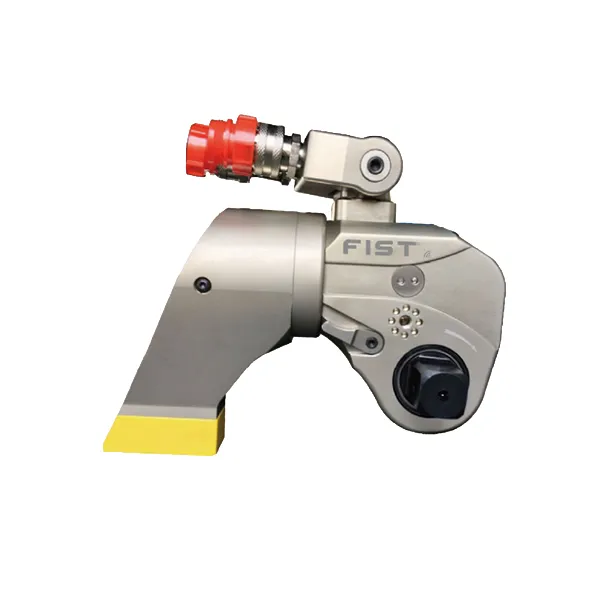
Before we start the calibration process, you'll need a few things. You'll need a Driven Hydraulic Torque Wrench, an Electric Driven Hydraulic Pump, and a Sleeve and Reducing Sleeve. These are the basic tools that will help you get the job done.
Step 1: Preparation
The first step in calibrating your hollow hydraulic torque wrench is to make sure it's clean and in good condition. Check for any signs of damage, like leaks or worn - out parts. If you find any issues, it's best to get them fixed before you start calibrating. Also, make sure you're working in a clean and stable environment. You don't want any dirt or debris getting into the wrench and affecting the calibration.
Step 2: Set Up the Equipment
Once your wrench is in good shape, it's time to set up the equipment. Connect the Electric Driven Hydraulic Pump to the Driven Hydraulic Torque Wrench using the appropriate hoses. Make sure all the connections are tight and secure. You don't want any hydraulic fluid leaking out during the calibration process.
Step 3: Select the Right Sleeve
Next, choose the right Sleeve and Reducing Sleeve for the fastener you're going to use for calibration. The sleeve should fit snugly on the fastener to ensure accurate torque measurement. If the sleeve is too loose or too tight, it can affect the calibration results.
Step 4: Zero the Wrench
Before you start taking any measurements, you need to zero the wrench. This means setting the wrench to read zero when there's no torque applied. Most modern hollow hydraulic torque wrenches have a zero - setting feature. Follow the manufacturer's instructions to zero the wrench properly.
Step 5: Apply Known Torque
Now, it's time to apply a known torque to the wrench. You can use a torque calibration device to do this. Start by applying a low torque value and gradually increase it. As you apply the torque, watch the reading on the wrench. Compare the reading on the wrench with the known torque value from the calibration device. If there's a difference, you'll need to adjust the wrench.
Step 6: Adjust the Wrench
If the reading on the wrench doesn't match the known torque value, you'll need to adjust the wrench. Most hollow hydraulic torque wrenches have an adjustment mechanism. You can use this mechanism to increase or decrease the torque output of the wrench. Make small adjustments and re - check the torque reading until it matches the known value.
Step 7: Repeat the Process
Calibration isn't a one - time thing. You should repeat the process a few times to make sure the wrench is accurately calibrated. Take multiple readings at different torque values to ensure consistency. If you notice any significant differences between the readings, you might need to re - adjust the wrench or check for any underlying issues.
Step 8: Record the Results
Once you're satisfied with the calibration, it's important to record the results. Keep a log of the calibration process, including the date, the torque values used, and any adjustments made. This record will come in handy for future reference and for compliance purposes.

Step 9: Regular Maintenance
Calibration is just one part of keeping your hollow hydraulic torque wrench in good working condition. Regular maintenance is also essential. Make sure to clean the wrench after each use, check the hydraulic fluid levels, and replace any worn - out parts. This will help extend the lifespan of your wrench and ensure accurate torque measurements.
Conclusion
Calibrating a hollow hydraulic torque wrench might seem like a daunting task, but it's actually quite straightforward if you follow the steps. By calibrating your wrench regularly, you can ensure that it's working accurately and safely. And if you're in the market for a high - quality Driven Hydraulic Torque Wrench, Electric Driven Hydraulic Pump, or Sleeve and Reducing Sleeve, we've got you covered.
If you're interested in purchasing our products or have any questions about calibration or maintenance, feel free to reach out. We're always happy to help you find the right tools for your needs and ensure that you get the most out of your equipment.
References
- Hydraulic Torque Wrench User Manuals
- Industry Standards for Torque Wrench Calibration