

Hey there! As a supplier of Hollow Hydraulic Torque Wrenches, I've seen firsthand how the frequency of use can have a huge impact on the lifespan of these tools. In this blog, I'm gonna break down how often you use your wrench affects its longevity and share some tips on how to make it last as long as possible.
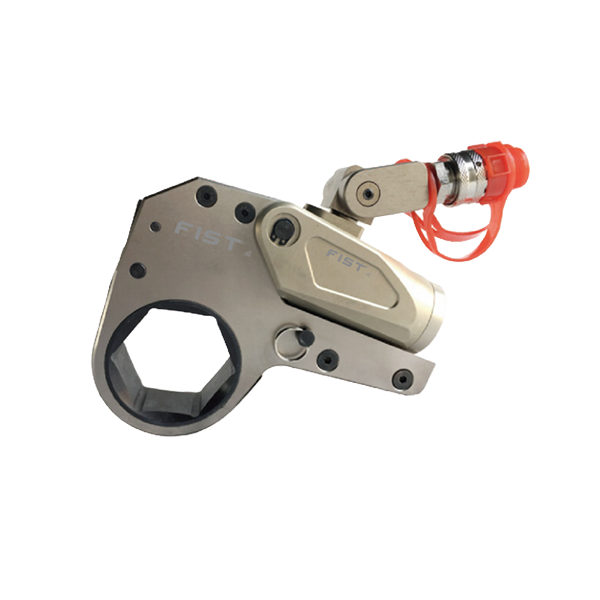
First off, let's talk about what a Hollow Hydraulic Torque Wrench is. It's a powerful tool used in various industries to tighten bolts and nuts to a specific torque value. These wrenches use hydraulic pressure to generate the force needed for the job. They're popular because they're precise, efficient, and can handle high torque requirements. You can learn more about them on our website: Hollow Hydraulic Torque Wrench.
Now, let's get into how the frequency of use plays a role. If you're using your Hollow Hydraulic Torque Wrench every day, it's gonna experience more wear and tear compared to one that's used only occasionally. The constant use means that the internal components, like the hydraulic seals, pistons, and gears, are under continuous stress. Over time, this stress can lead to component failure, which shortens the lifespan of the wrench.
For example, the hydraulic seals are crucial for maintaining the pressure within the wrench. With frequent use, these seals can start to degrade due to the constant compression and expansion. Once the seals start to leak, the wrench won't be able to generate the required torque, and it might even stop working altogether.
On the other hand, if you use the wrench sparingly, say once a month or less, the components have more time to rest between uses. This reduces the overall stress on the parts and can significantly extend the lifespan of the wrench. The seals have time to recover from the pressure, and the gears don't experience as much friction.
But it's not just about how often you use the wrench. The intensity of use also matters. If you're using the wrench for heavy-duty applications, like in a construction site or a manufacturing plant, where it's constantly exposed to harsh conditions and high torque requirements, it's gonna wear out faster. Even if you don't use it every day, the heavy workload can take a toll on the wrench.
To mitigate the effects of frequent use, regular maintenance is key. You should follow the manufacturer's maintenance schedule, which usually includes tasks like checking the hydraulic fluid level, inspecting the seals for leaks, and lubricating the moving parts. By keeping up with maintenance, you can catch any potential issues early and prevent them from turning into major problems.
Another important factor is the quality of the accessories you use with the wrench. For instance, using a high-quality Sleeve and Reducing Sleeve can make a big difference. A good sleeve fits properly and distributes the torque evenly, reducing the stress on the wrench. If you use a cheap or ill-fitting sleeve, it can cause uneven wear on the wrench and lead to premature failure.
The type of hydraulic pump you use also affects the lifespan of the wrench. An Electric Driven Hydraulic Pump provides a consistent and reliable source of hydraulic power. If you use a pump that doesn't deliver the right amount of pressure or has inconsistent flow, it can put extra strain on the wrench and shorten its lifespan.
Let's take a look at some real - world examples. I've had customers who use their wrenches in a busy automotive repair shop. They use the wrench multiple times a day to work on different vehicles. In these cases, they often need to replace the seals and other components more frequently compared to customers who use the wrench for occasional home projects.
However, even in high - use scenarios, proper maintenance can make a huge difference. One of my customers in a manufacturing plant was having issues with their wrench wearing out quickly. After I advised them on a strict maintenance schedule and recommended high - quality accessories, they noticed a significant improvement in the lifespan of their wrenches.
So, how can you tell if your wrench is starting to show signs of wear? Some common signs include a decrease in torque output, unusual noises during operation, or visible leaks. If you notice any of these signs, it's important to address them right away. You might need to replace a seal, adjust the hydraulic pressure, or even replace a worn - out component.
In conclusion, the frequency of use has a significant impact on the lifespan of a Hollow Hydraulic Torque Wrench. Frequent and intense use can lead to faster wear and tear, but with proper maintenance and the use of high - quality accessories, you can extend the life of your wrench.
If you're in the market for a Hollow Hydraulic Torque Wrench or need more information about our products, don't hesitate to reach out. We're here to help you make the best choice for your needs. Whether you're a professional in the industry or a DIY enthusiast, we have the right tools and expertise to support you.
References

- Industry standards for hydraulic torque wrenches
- Manufacturer's guidelines for Hollow Hydraulic Torque Wrenches